Research Article | | Peer-Reviewed

Cultural Evolution in Clay: A Comparative Analysis of Indigenous Pottery Trajectories in Northern Ghana and South Korea

Received: 30 November 2025     Accepted: 20 December 2025     Published: 19 January 2026
Views:       Downloads:
Abstract

This study explores the contrasting evolutionary trajectories and preservation outcomes of indigenous pottery traditions in Northern Ghana and South Korea from the mid-1970s to the present. Pottery, a transformative Neolithic innovation, embodies both cultural identity and utilitarian value. Yet, modernisation, globalisation, and shifting social priorities pose significant threats to its continuity. Unlike much scholarship that treats traditions in isolation, this research adopts a cross-cultural comparative framework to theories mechanisms of cultural evolution. It juxtaposes Northern Ghana’s community-based, ritual-oriented model now strained by urbanisation and economic displacement with South Korea’s institutionalised, state-driven approach, which integrates technological innovation and heritage policy to foster resilience. Through this design, the study highlights the socio-political, economic, and institutional conditions shaping the sustainability of intangible cultural heritage. Findings reveal how modernity differently impacts artistic practice, economic viability, and identity preservation across contexts. By clarifying these dynamics, the research contributes to theoretical models of cultural evolution while offering practical insights for heritage policy. Ultimately, it underscores the need for adaptive strategies that balance tradition and innovation, ensuring indigenous crafts remain vital cultural resources in a rapidly globalising world.

Published in American Journal of Art and Design (Volume 11, Issue 1)
DOI 10.11648/j.ajad.20261101.11
Page(s) 1-10
Creative Commons

This is an Open Access article, distributed under the terms of the Creative Commons Attribution 4.0 International License (http://creativecommons.org/licenses/by/4.0/), which permits unrestricted use, distribution and reproduction in any medium or format, provided the original work is properly cited.

Copyright

Copyright © The Author(s), 2026. Published by Science Publishing Group

Keywords

Cross-cultural, Evolution, Ghana, Indigenous, Pottery, South Korea

1. Introduction
Technological advancement throughout human history has often emerged from necessity and ingenuity . Among the most significant innovations of the Neolithic era, alongside sedentism and phytotechnology, was pottery . This development represented not merely incremental progress but a transformative adaptation, enabling the storage and preparation of food and thereby sustaining nutritional security. Beyond its utilitarian functions, Indigenous pottery holds profound cultural and historical significance globally , serving as a tangible link to ancestral practices and a marker of collective identity . Integral to daily life and ritual in numerous societies , pottery traditions have dynamically evolved in response to environmental shifts, intercultural exchange, and socio-economic pressures.
The craft, involving the shaping and high-temperature firing of clay to achieve permanent physical transformations , provided humanity’s earliest durable domestic tools. However, modernisation and globalisation have precipitated two challenges for traditional pottery: the displacement of clay vessels with industrial alternatives (steel, plastic, and aluminum) and the migration of artisans towards urban economic opportunities. In Northern Ghana, pottery continues to contribute to local economies through market sales and tourism , but the practice faces threats from urbanisation and cultural erosion . Conversely, South Korea has leveraged its centuries-old ceramic heritage renowned for techniques like celadon glazing and aesthetic refinement into a robust economic and cultural asset. Sustained by tourism, exports, and state-supported innovation that blends tradition with advanced technology, Korean ceramics bolster cultural identity while driving economic growth and soft power .
Indigenous pottery traditions serve as material archives that encapsulate intricate cultural histories, reflecting socio-economic structures, environmental interactions, and historical legacies. Despite their significance, the mechanisms driving cultural evolution are inadequately theorised within systematic comparative frameworks due to immense pressure from globalisation, technological disruptions, and shifting cultural values . Northern Ghana's communal ritual-based traditions contrast with South Korea's technologically specialised model, which is defined by the state-supported systematic application of scientific research and technological innovation clusters; industrial-artisanal hybridisation and scientific conservation protocols . These represent divergent evolutionary pathways for the South Koreans. However, academic research predominantly analyses these traditions independently. This fragmentation hinders a comprehensive understanding of how various socio-political histories, economic pressures, and institutional strategies influence the resilience or transformation of indigenous crafts. This study conducts a cross-regional comparative analysis of Ghanaian and Korean pottery traditions from the mid-1970s to the present to address the interrelated gap. The study narrows down on the differences in preservation outcomes between communal and institutional knowledge systems. Through the examination of these cases, the researcher clarifies context-specific factors influencing cultural sustainability and assesses the varying effects of modernity on artistic expression, economic viability, and identity preservation. This method enhances theoretical frameworks of cultural evolution and produces practical recommendations for heritage policy.
2. Methodology
This study employs a cross-cultural comparative design to analyse events in Northern Ghana and South Korea, with the objective of identifying universal patterns, cultural differences, and the underlying mechanisms that account for the divergence in ceramic traditions. assert that cross-cultural comparative design systematically examines various cultures to identify universal patterns, cultural differences, and their underlying causes. This approach offers the advantage of examining techniques, designs, and functional applications to assess the impact of globalisation on craftsmanship , contrasting Ghana’s community-oriented traditions with South Korea’s state-driven heritage model (e.g., Saemaul Undong). Murdock supports this claim by stating that cross-cultural comparison reveals universals in human behaviour and the factors that produce cultural differences.
This study integrates systematic review and ethnographic methods, positing that this approach yields research that is both evidence-based and contextually informed. This integrated approach yielded more comprehensive explanations for the complex and underexplored phenomena the research intended to study.
Ethnographic qualitative methodologies were employed to investigate the socio-cultural production environments in Northern Ghana. Ethnography was used to facilitate a thorough contextual investigation of craft production and elucidate the relationships between technique and social significance . Utilising ethnographic qualitative approaches, the study elucidated the complex interrelationships between cultural traditions and modern behaviours in the region. For South Korea, archival data were compiled from peer-reviewed publications, government reports, and institutional digital repositories, representing a methodological adaptation to logistical constraints in fieldwork. To maintain scholarly rigour, sources were confined to academically validated platforms (e.g., JSTOR and RISS) and national archives (Gyeonggi-do Cultural Foundation, Korea Craft & Design Foundation, National Folk Museum of Korea, and Cultural Heritage Administration), emphasising authoritative publications and official documentation. In Northern Ghana, primary data collection consisted of ethnographic fieldwork conducted in four regions: Upper East, Upper West, North East, and Northern over a period of two months. Some of the activities included visits to ceramic communities, conversations with artisans, and documenting participatory techniques. This method enabled a more profound understanding of the connections between heritage preservation, cultural practices, and community dynamics. The collected data shed light on the challenges and opportunities faced by traditional potters in adapting to modern influences while maintaining their cultural identity.
3. Historical Trajectories
This study represents a sustained engagement with the pottery industry in northern Ghana, conducted intermittently over sixteen years. My initial involvement began in 2007, when the Department of Archaeology at the University of Ghana offered me a formative opportunity to explore this sector. That early research provided the foundation for my Master of Philosophy thesis in archaeology at the same institution. In October 2024, together with my co-author, we revisited the original research sites. On this occasion, the transformations within the pottery industry were remarkable in both scale and character. The extent of disruption compelled me to situate these changes within a comparative framework, drawing parallels with the evolving pottery sector in South Korea.
The following sections examine the historical trajectories that have shaped the pottery industries of northern Ghana and South Korea. Particular attention is given to the role of institutions, communities, and broader socio-economic forces in their development. This analysis highlights both convergences and divergences in the sustainability of pottery traditions across these two contexts.
Bunch and Hellemans argue that although early humans understood natural laws and developed skills for crafting practical tools, it is misleading to identify any single individual as the first scientist. These tools and skills produced artefacts that enabled humans to transcend physical limitations. Across the globe, indigenous technologies have historically sustained communities under stable conditions, long before the rise of modern technological trends . This underscores the importance of acknowledging and safeguarding indigenous knowledge systems in Africa. It also emphasizes the need for further research and documentation of traditional pottery techniques in Ghana to ensure their preservation for future generations.
Since the 1950s, public concern has grown regarding the detrimental effects of modern technology on indigenous practices and knowledge systems . These impacts often emerge long after the introduction of new technologies, producing unforeseen consequences. Asakitikpi contends that the global North’s dominance in knowledge production—framed as scientific and universal—derives from historical interactions between Western and non-Western societies, and from ongoing efforts to preserve that dominance. Medicine provides a notable example: Western approaches, often considered superior to traditional herbal therapies, have also revealed significant limitations. Trudeau critiques such assumptions, noting that eggs, once condemned for their cholesterol content, are now recognized as potentially beneficial, while margarine—long promoted as healthier than butter—may in fact be less so. He concludes that many claims presented as medical “facts” are flawed. In times of crisis, Western medicine has occasionally turned to indigenous technologies for solutions, and subsequent investigations have revised or overturned dominant theories. While science and technology undeniably advance development, their adverse effects on the environment and human well-being cannot be ignored.
Gordon & Gordon , in Understanding Contemporary Africa, assert that Western culture exerts the most significant influence over Africa today. Globally, societies are increasingly integrated into the capitalist economy, a vast network of trade and production driven by the pursuit of Western-style prosperity. This integration has produced a complex interplay between traditional cultural practices and modern behaviours. Understanding the impact of globalisation requires careful examination of the cultural, social, and economic factors at work. Globalisation has not only created economic opportunities but also sparked debates about preserving cultural identity in the face of Western, unilinear influence . As cultures navigate this balance, they must confront challenges of cultural appropriation, homogenisation, and resistance in order to maintain their heritage while adapting to a rapidly changing environment.
Northern Ghana and South Korea exemplify these dynamics, though along divergent paths. Northern Ghana continues to grapple with the effects of globalisation on its traditional practices and cultural identity, while South Korea has harnessed globalisation to secure a central role in the global economy. Despite these differences, both regions demonstrate how governments can either resist or embrace globalisation in shaping their destinies.
3.1. Northern Ghana
Originally designated as the Northern Territories, the area initially comprised three administrative regions but has since evolved into five distinct units. The colonial ambitions of the British Empire were deeply intertwined with the historical trajectory of Ghana’s northern territories. In 1901, following treaties with local leaders from Bona, Dagarti, and Wa, the British established a protectorate in the region . This protectorate was administered by a Chief Commissioner under the authority of the Governor of the Gold Coast and subdivided into fourteen districts, with Tamale serving as the administrative capital. British control persisted until 1957, when the territories were formally integrated into the newly independent state of Ghana.
In the post-colonial era, Northern Ghana underwent several administrative transformations that shaped its contemporary configuration. At independence in 1957, the Northern Region was one of Ghana’s five administrative divisions . In 1960, it was formally constituted through the merger of the Northern Territories, portions of Trans-Volta Togoland, and part of the Eastern Region. Subsequent restructuring in 1983 led to the creation of the Upper East and Upper West regions from the former Upper Region, thereby establishing two distinct administrative entities. Today, the northern belt comprises five regions with a combined population exceeding 6.5 million.
The region is notable for its rich cultural and natural heritage, as well as its ethnic diversity, encompassing groups such as the Dagomba, Mamprusi, Gonja, Sissala, Frafra, and others . Historically, powerful kingdoms, empires, and resistance movements have shaped its collective identity and political structures. The northern territories are endowed with significant natural resources, including gold, bauxite, shea butter, cotton, and diverse fauna. Yet, despite these assets, the region continues to face persistent challenges: socioeconomic hardship, low literacy rates, inadequate nutrition, the adverse effects of climate change, and recurring conflict.
3.2. Pottery Production Is Significant in the Five Northern Regions of Ghana
Clay serves numerous cultural and practical purposes in Northern Ghana, with traditional varieties sourced from various regions throughout the country, as noted by Asamoah et al. . These clay deposits have played a crucial role in sustaining the pottery industry and preserving cultural heritage. For centuries, communities among the several ethnic groups in northern Ghana have had a deep reverence for the inherent value of nature, a perspective deeply embedded in traditional belief systems, as demonstrated in anthropological research. The manipulation of clay and the ability to shape it effectively are both essential elements in the intricate process of producing a ceramic artefact. A comprehensive anthropological study of pottery manufacturing in the northernmost region visited revealed that, despite geographic distance or cultural differences, numerous groups coalesced around a limited array of fundamental ceramics skills while simultaneously incorporating localised innovations that distinguished them. The most noticeable parallels were in the basic practices. Almost all artisans in villages and areas started by getting clay from nearby deposits and processing it, usually by using simple levigating or screening methods to get rid of impurities. Hand-building techniques were mostly based on coiling and paddle-and-anvil forming methods. Potters made vessels by stacking clay coils or by hitting and squeezing the walls to make them thinner. Lastly, the most common way to harden vessels was to use open burning or simple updraft kilns that burn wood or crop waste as fuel.
There were little but important distinctions between these shared techniques that were formed by the environment, ritual, and personal taste. Some communities added grog or sand to make the material more resistant to thermal stress, while others liked pure, fine-grained material because it was clear. In terms of decorative treatments, like incised designs, slip-painting, and burnishing processes, varied based on symbolic systems or status indicators within the community. Most artisans used pit firing covered with turf, while some used multi-chambered brick kilns. The way heat was maintained and controlled depended on the availability of fuel in the area and how people were organised.
This inquiry clarified that pottery manufacture functions as both a collective human pursuit addressing universal issues in vessel creation and a medium for cultural expression. Understanding how common techniques and localised adaptations operate together presents a better understanding of the social networks, resource bases, and worldviews that have shaped ceramic traditions all across the world.
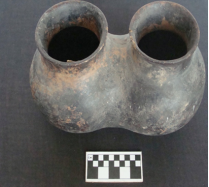
Some significant pottery artefacts uncovered across the five northern regions of Ghana serve various practical purposes, which can be categorised into three groups: religious (twin pots and ritual pots), social (anti-thief pots), and economic. This overview offers a panoramic survey of the distinctive vessel forms and their functions within traditional northern Ghanaian settings.
Twin Pots
We learnt from the potters at Lawra and New Longoro that female artisans from various ethnic groups in northern Ghana historically make twin pots. Women interested in this skill must pause their participation during menstruation in accordance with ancient spiritual and societal conventions. Families gifted with twins are expected to execute a specific ceremonial ritual, for which these pots bear significant symbolic meaning. These vessels, which are usually made on request, are very essential for ceremonies greeting newborn twins. Their absence not only interrupts these rites, but it also reinforces the notion that twins may lose their spiritual link to ancestral lineage, which is an important part of their cultural identity.
According to David, Sterner, and Gavua , a similar version is produced among the Mafa of Cameroon, which have a distinctive construction in which two bodies meet at a single mouth. This design element represents the complicated link that exists between twins' souls or spirits.
Figure 1. Twin Pot. Source: Kwabena Darko Akuamoah, 2024.
Communities are increasingly embracing contemporary religious ideologies or forsaking traditional practices, leading to a decline in the ceremonial applications of pottery, such as the twin pots used in ancestral rituals. Experienced elders in the realm of ritual pottery frequently depart without imparting their skills, thus disrupting the continuity of intergenerational knowledge (T. Akuruku, personal communication, February 24, 2024). On the other hand, E. M. Akoka (personal communication, August 8, 2024) narrates that the laborious nature of ceramic production leads to a low salary when compared to other occupations, discouraging potential recruits. Once again, restricted access to markets, financial resources, or government initiatives targeted at promoting traditional crafts exacerbates marginalisation. This highlights the challenges faced by artisans in preserving their crafts and livelihoods in the face of economic pressure and globalisation. It points out the importance of creating sustainable solutions to support these communities and ensure the continuation of their cultural heritage.
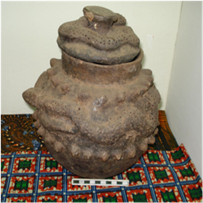
A ritual pot I collected during the 2009 field trip is shown in Figure 2. This pot showcases an embossed snake, complemented by an additional snake on the lid. This is used for deep spiritual rituals and is not typically found for sale in the market. Kojo Kuyon (personal communication, November 8, 2024) disclosed that these pots serve an essential function within the community protection rituals and are buried immediately following these ceremonies. He firmly highlighted that such pots are rarely made again because of the adoption of western religious practices. Kuyon emphasised the significance of preserving these ritual pots, as they are unique representations of the community's cultural practices and beliefs. Without proper documentation and conservation efforts, Kuyon expressed concern that they may lose this important aspect of their heritage forever. Kuyon urged the community to take action in preserving these ritual pots by documenting their significance and ensuring they are properly conserved for future generations to appreciate. He stressed the importance of educating younger members of the community about the cultural significance of these pots to ensure their legacy lives on.
Figure 2. Ritual Pot. Source: Kwabena Darko Akuamoah, 2024.
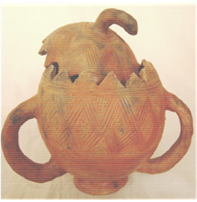
Much like other traditional pottery forms, anti-theft pots are vanishing under the pressures of urbanisation and fading rituals that once gave them context. By systematically documenting their shapes, construction techniques, and ritual uses, we can help preserve these unique artefacts and the ancestral knowledge they embody before they disappear entirely. Figures 3 and 4 showcase anti-theft pots, ceramic vessels crafted both to deter and to educate young people tempted to pilfer household goods. Their locking mechanism is deliberately intricate: achieving a snug, timely seal demands skill and patience, and any misalignment can leave the contents vulnerable. Samuel Lambagu (personal communication, November 16, 2024) disclosed that the complicated locking system of these ritual pots serves as a test of craftsmanship and attention to detail, reflecting the value placed on preserving traditions. He also mentioned that learning how to properly seal these pots is a rite of passage for younger community members, further emphasising the importance of passing down this knowledge for future generations.
Figure 3. Unpolished Anti-thief pot ( source: Kwabena Darko Akuamoah. 2024).
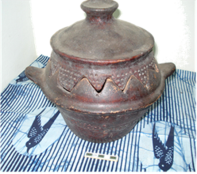
Figure 4. Polished Anti-Thief Pot. (Source: Kwabena Darko Akuamoah. 2024).

3.3. South Korea
Korea, like many African nations, has experienced similar legacies of poverty and colonisation . On December 12, 1948, the United Nations formally recognised the Republic of Korea as a sovereign state exercising effective control over its territory, a region that Japan had annexed after the Russo-Japanese War in 1905 and that later fell under successive American and Soviet occupations . Despite these upheavals, Korea has achieved extraordinary socioeconomic advances compared with most African countries. Domingo Tapales highlights that Korea’s development strategy centres around rural areas, using regional development, integrated rural initiatives, and needs-based approaches to ensure active community participation at every stage. Villages were prompted to develop as independent small enterprises. Village development committees, functioning as business units, engaged in contracts with local governments for public works or pursued innovative agricultural enterprises. These business ventures, typically undertaken by private companies, significantly enhanced rural household incomes and helped speed the developmental processes of rural Korea.
One such rural-focused development strategy is known as Saemaul Undong, which literally means 'new village' or 'the New Community Movement'. Since the 1970s, the Saemaul Undong, also known as the New Community Movement, has achieved remarkable success. President Park Chung Hee of South Korea initiated the effort in the early 1970s. The Saemaul Undong was a comprehensive, community-driven rural development effort. According to Reed , this initiative and its accompanying measures aimed to improve living conditions in rural communities, reduce urban migration, and solve the rising issues of food supply. The Saemaul Undong emphasised the necessity of spiritual or mental reforms for rural Koreans . The context within which traditional knowledge is developed and maintained is critical to its value, reflecting the fundamental cultural cognitive structures of the specific group by the Saemaul Undong in Korea.
Research, including that conducted by Reed , demonstrates that Saemaul Undong originated as a traditional integrated community development programme focused on enhancing the physical environment of villages, fostering new perspectives and skills, and raising incomes through modest self-help initiatives spearheaded by government officials and executed through collective efforts. Park noted that Saemaul Undong exemplified a comprehensive strategy for fostering community-driven rural development. Each government in a developing nation implements its development programmes with specific characteristics; Saemaul Undong is a term specifically linked to the Administration of the Republic of Korea.
The 2015 Expo, organised by the South Korean government, exemplifies the nation's dedicated efforts to promote traditional cuisine and related technologies, thus preserving its cultural heritage and indigenous practices. The introduction of modern technology in pottery began in the early 1960s, coinciding with afforestation initiatives by the Korean government; however, this did not result in a decline of the pottery industry. The ongoing presence of pottery products in Korean households demonstrates its sustained significance.
The indigenous self-reliant developmental strategy known as Saemaul Undong, or the New Community Movement, has profoundly influenced the pottery industry in rural Korea since its establishment in the 1970s. The ceramic heritage of Korea extends over 10,000 years, reflecting considerable diversity and cultural significance. The indigenous self-reliant developmental strategy transformed the pottery industry. The pottery industry in Korea has been closely linked to diverse pottery traditions since the initiation of Saemaul Undong. The Korean pottery tradition encompasses several ceramic varieties: Togi, a form of clayware; dogi, denoting earthenware; jagi, a particular type of porcelain; and onggi, an earthenware designed for water retention and food fermentation. The distinctive characteristic of the Korean pottery tradition is its progressive development and refinement of various manufacturing and surface decoration techniques, which contribute to its unique identity. The pottery items examined have developed over the course of Korean history and maintain considerable influence in contemporary society. This research solely employs the onggi vessel for comparative analysis.
The onggi, depicted in Figures 5 and 6, functions as a practical storage vessel that has been employed in Korean households for an extended period. The pottery under discussion was utilised by individuals across all social strata in Korea, marking a unique occurrence of its application in this context. The methodology used in the production of onggi ware is noteworthy. The production process utilises the coiling technique, wherein large clay coils are interwoven using the thumb and index finger. This technique is similar to the method employed in northern Ghana that seems to be fading out.
Figure 5. Onggi Pot (Source: support.yoodo.com, 2023, 10-14: 04: 31), (Accessed 2024, 15-10-2024).
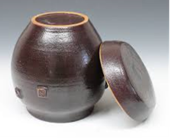
Figure 6. Onggi Pot (Source: support.yoodo.com, 2024, 10-14: 04: 31), (Accessed 2024, 15-10-2024).

4. Analysis: Divergent Pathways of Resilience
4.1. Northern Ghana
Stagnation in Technical and Market Innovation in Northern Ghana’s Pottery Industry. Empirical evidence indicates persistent stagnation in the pottery manufacturing sector across northern Ghana. Field observations from potters at two key production centers Asisikabisi in the Upper East and Chari in the Upper West, confirm that production methodologies remain predominantly rooted in traditional indigenous techniques, with limited adoption of contemporary technologies or design innovations. A critical absence of structured capacity-building initiatives compounds this technological inertia. No systematic training programs exist to introduce artisans to advanced forming, glazing, or firing methods that could enhance product quality, efficiency, or align with global aesthetic trends. Consequently, the sector’s potential for modernisation and competitive integration into international markets remains unrealised. Furthermore, strategic efforts to forge commercial linkages with transnational retailers or digital marketplaces essential for expanding market access and consumer reach are notably absent. This deficiency in market-orientated partnerships significantly constrains the industry’s scalability and export potential.
4.2. South Korea
Before the implementation of Saemaul Undong, the South Korean pottery landscape was significantly impacted by the destruction of rural kilns due to the influx of plastic imports, the process of urbanisation, and the decline of support from royal and aristocratic patrons. According to reports, only 17% of onggi (earthenware) manufacturers remained operational by 1970 , resulting in a trend of youth departing from traditional pottery jobs to pursue employment in factories. Once more, traditional techniques, including Bunjang, faced near extinction. A longitudinal study indicates that Bunjang is among the oldest and most recognised traditional pottery techniques in Korean ceramic history, sustaining its popularity to this day. 'Bunjang' is a specific term that denotes the white slip or engobe found in Western cultures, exhibiting characteristics akin to terra sigillata and majolica .
Then-President Park Chung Hee launched the Saemaul Undong, or New Village Movement, in South Korea in the early 1970s. Its primary objective was to eliminate rural poverty, coinciding with a period when Korea was starting to experience economic development due to its industrialisation policies. The movement functioned as a significant driver for the advancement of rural development initiatives in South Korea.
Saemaul Undong’s pottery initiatives were transformative. The dispersed kilns were merged into centralised hubs, allowing artisans to pool resources for bulk purchases of clay and fuel. The government issued low-interest loans for electric kilns, easing fuel shortages caused by deforestation. Master artisans were dispatched to rural areas, reviving both traditional and modern pottery techniques. Meanwhile, contracts for school and hospital ceramics, coupled with export fairs, drove a 300% surge in pottery exports between 1970 and 1980, and cooperatives boosted artisans’ incomes by 65% . Jwa posits that Samuel Undong significantly contributed to Korea’s economic miracle and currently acts as an overlooked guide for randomised controlled trials, along with behavioural and experimental economics. Therefore, it is prudent to analyse successful experiences and derive valuable lessons for nations seeking growth and development.
5. Cross-cultural Insights
Pathways Forward: Lessons from Saemaul Undong for Northern Ghana
While the pottery industry in Northern Ghana exhibits organic resilience, it is increasingly vulnerable to the dual pressures of industrial globalisation and cultural homogenisation. Although remnants of traditional production endure in rural enclaves, this culturally significant craft faces the risk of irreversible decline without strategic and targeted intervention. Preserving this heritage sector is essential not only for safeguarding cultural identity but also for sustaining its socioeconomic value within local communities.
A critical challenge confronting the industry is the erosion of intergenerational knowledge transfer. Despite the enduring ritual and symbolic significance of pottery, traditional apprenticeship systems are experiencing diminished engagement among younger generations, threatening the continuity of artisanal expertise. Furthermore, chronic underinvestment in institutional support, capacity development, and market integration has constrained the sector’s ability to adapt to contemporary demands.
To address these challenges, this paper proposes a revitalisation framework inspired by the core principles of diligence, self-help, and collaboration from the Saemaul Undong movement. Key interventions should include the establishment of community-based technical workshops that integrate contemporary ceramic practices such as advanced kiln technologies, glaze chemistry, and digital design literacy to foster innovation in traditional motifs. These workshops should also incorporate entrepreneurial training aligned with the Saemaul Undong's ethos of self-reliance, while remaining grounded in indigenous knowledge systems.
Additionally, strategic education-partnership models with national institutions, such as the Department of Art and Design at Kwame Nkrumah University of Science and Technology (KNUST), can facilitate curriculum co-creation and collaborative research. Such partnerships would bridge traditional craftsmanship with academic pedagogy, enabling a co-evolutionary process in which modern efficiencies enhance rather than displace cultural integrity. This integrated approach positions pottery as a viable heritage industry capable of responding to global market dynamics while preserving its cultural essence.
6. Discussion: Clay as a Living Archive
Clay and its resulting artefacts serve as a living archive that embodies Korea’s rich cultural heritage and attests to the exceptional skill and craftsmanship of its artisans. The integration of traditional techniques with contemporary influences ensures that Korean pottery remains a vibrant and evolving art form, continually captivating audiences worldwide. The intricate patterns and vivid colours characteristic of Korean pottery reflect a profound connection to nature and spirituality, adding additional layers of meaning to each piece. Korean potters continuously experiment and adapt their craft, ensuring it remains a vital part of the nation's cultural identity for future generations.
Generations in South Korea have carefully transmitted traditional pottery skills, playing a crucial role in preserving the country's cultural legacy. While globalisation has had little impact on the continuation of traditional practices, contemporary influences are increasingly shaping modern Korean pottery. These influences are evident in the adoption of new materials and techniques, as well as the incorporation of more abstract and innovative designs. Nonetheless, conventional pottery methods remain highly valued and continue to be practised by many Korean artisans. A distinctive and dynamic art form emerges from the fusion of traditional and contemporary elements, reflecting both Korea's history and creative ingenuity. This balance between tradition and innovation enables Korean pottery to maintain its cultural relevancy in the modern era while honouring its heritage.
7. Conclusion
For Ghana’s northern pottery industry to remain competitive in the global marketplace, modernization and international visibility are imperative. Without the adoption of innovative techniques such as 3D printing with clay, digital fabrication and hybrid making, advanced glaze technologies, and alternative firing methohe sector risks falling behind nations that have already embraced these advancements. Equally critical is the integration of contemporary design approaches, including organic imperfection, modular and stackable forms, graphic surface treatments, and bio-inspired or algorithmic aesthetics. To secure long-term sustainability, stakeholders must prioritize these transformations. Strategic collaborations with international designers and active participation in global trade exhibitions will enhance the industry’s visibility and broaden its consumer base. Furthermore, investment in marketing initiatives and the development of robust e-commerce platforms will enable Ghanaian pottery to transcend local markets and engage with diverse audiences worldwide.
Indigenous knowledge is not static; it evolves through deliberate stewardship. By actively engaging with different cultural perspectives and techniques, the pottery industry in Ghana can continue to innovate and adapt to changing market trends. This collaborative approach can ensure the preservation of traditional craftsmanship while also embracing new ideas and technologies for sustainable growth.
The research shows significant potential for growth and expansion of Ghanaian pottery exports. This growth could create more economic opportunities for local artisans and communities while also preserving and promoting Ghanaian cultural traditions. Expanding market reach and diversifying products are key to capitalising on these opportunities and maximising the global impact of Ghanaian pottery.
Suggestions for Future Research
Future studies should examine the impact of digital marketing on reaching international consumers and conduct market research to pinpoint regions with high demand for handmade pottery. Exploring partnerships with international retailers and online platforms could also expand the reach of Ghanaian pottery. Collaborating with artisans and designers from other countries can help create unique, innovative designs that appeal to a global audience, while promoting cultural exchange and the rich heritage of Ghanaian pottery.
Author Contributions
Kwabena Darko Akuamoah: Conceptualization, Formal analysis, Investigation Methodology, Writing – original draft
Peter Atakuma Agbodza: Data curation, Resources, Writing – review & editing
Conflicts of Interest
Authors declare no conflicts of interest.
References
[1] Abanyam, N. L. (2013). The effects of Western technology on African cultural values. IOSR Journal of Humanities and Social Science (IOSR-JHSS), 8(4), 26-28.
[2] Adu-Gyamfi, V. E., & Asubonteng, J. K. (2014). The Economic Significance of Transforming Utility of Pottery in Ghana through Integration of Vegetable-Tanned Leather and other Local Raw Materials.
[3] Akuamoah, B. E. (2009). Digitalisation of the ethnographic pottery collection: A study of the Anna Craven collections. Master's dissertation. University of Ghana.
[4] Arnold, D. E. (2018). Ecology and ceramic production in an Andean community. In Ceramics of the Indigenous Cultures of South America: Studies of Production and Exchange through Compositional Analysis (pp. 19-36). University of New Mexico Press.
[5] Asian Development Bank. (2012). Asian Development Outlook 2012: Confronting Rising Inequality in Asia. Asian Development.Bank.
[6] Asakitikpi, A. E. (2018). Western versus African Medical Knowledge Systems. Synthesis philosophica, 65(1), 91-104.
[7] Asamoah, R. B., Nyankson, E., Annan, E., Agyei-Tuffour, B., Efavi, J. K., Kan-Dapaah, K, & Yaya, A. (2018). Industrial applications of clay materials from Ghana – a review. Oriental Journal of Chemistry, 34(4), 1719.
[8] Asmah, A. E., Frimpong, C., & Asinyo, B. K. (2013). Enhancing the value of indigenous pottery products with surface decoration methods & macramé. Arts and Design Studies. Vol. 8, 1-9.
[9] Awedoba, A. K. (2006). The peoples of northern Ghana. Accra, Ghana: National Commission on Culture.
[10] Berberoglu, B. (Ed.). (2016). Beyond the global capitalist crisis: The world economy in transition. Routledge.
[11] Berry, J. W. (1989). Imposed etics emics-derived etics: The operationalisation of a compelling idea. International Journal of Psychology, 24(6), 721–735.
[12] Bunch, B. H., & Hellemans, A. (2004). The history of science and technology: a browser's guide to the great discoveries, inventions, and the people who made them, from the dawn of time to today. Houghton Mifflin Harcourt.
[13] Costin, C. L. (2020). Craft production. In Handbook of evolutionary research in archaeology (pp. 343-360). Springer.
[14] Cruz, M. D. (2016). Pottery Production and Social Dynamics in the Upper East Region, Ghana: An Ethnoarchaeological Perspective. Azania: Archaeological Research in Africa, 51(3), 321–345.
[15] David, N., Sterner, J., & Gavua, K. (1988). Why pots are decorated. Current anthropology, 29(3), 365-389.
[16] Davidann, J. T. (2024). The Myth of Western Superiority: East-West Relations in Historical Context. Irish Studies in International Affairs.
[17] Domingo Tapales, P. (1982). Toward Indigenous Development: Lessons from the Korean Experience. The Saemaul Undong by In-Joung Whang (1981). Seoul: Seoul University Press.
[18] Dutfield, G. (2010). Intellectual property, biogenetic resources and traditional knowledge. Earthscan.
[19] Ember, C. R., & Ember, M. (2009). Cross-cultural research methods (2nd ed.). AltaMira Press.
[20] Emerson, R. M., Fretz, R. I., & Shaw, L. L. (2011). Writing ethnographic fieldnotes (2nd ed.). University of Chicago Press.
[21] Foley, D. K. (2012). The political economy of postcrisis global capitalism. South Atlantic Quarterly, 111(2), 251-263.
[22] Gill, S. (2000, March). The constitution of global capitalism. In the International Studies Association Annual Convention, Los Angeles (Vol. 15, pp. 1-20).
[23] Gillespie, S. D. (2001). Clay: The entanglement of Earth in the age of clay. Impact of Materials on Society, Pressbooks, Florida, USA, 15-43.
[24] Gobo, G. (2011). Ethnography. In Qualitative research (pp. 15-36). Sage.
[25] Goody, J. (1954). The Ethnography of the Northern Territories of the Gold Coast, West of the White Volta. (No Title).
[26] Gordon, A. A., & Gordon, D. L. (Eds.). (1992). Understanding Contemporary Africa. Lynne Rienner Publishers.
[27] Han, D. H. (2012). Modularisation of Korea's development experience: the successful cases of Korea's Saemaul Undong (New Community Movement).
[28] Hoppers, C. A. O. (2005). Culture, indigenous knowledge and development—the role of the university. Centre for Education Policy Development.
[29] Huh, M. (2020). Engineering the Past: The Role of Scientific Analysis in Korean Ceramic Conservation. Studies in Conservation, 65(sup1), S192–S198.
[30] Imam, H. A. (2015). State and non-state actors in land appropriation: Colonial land policy and the role of the Tindana in Northern Ghana. Research on Humanities and Social Sciences, 5(4), 126-140.
[31] Jeong, D. U. (2024). A study of Saemaul Undong in South Korea: Making self, memory and development (Doctoral dissertation, University of the Witwatersrand, Johannesburg (South Africa).
[32] Jwa, S. H. (2024). Korea’s Saemaul Undong Revisited as a Rural Development Game for Poverty Eradication. The Pakistan Development Review, 63(1), 19-44.
[33] Kim, H. J., Ro, H. S., & Kim, W. S. (2013). Analysis of Korea Buncheong ware by Bunjang (white slip) technique. International Journal of Contents, 9(2), 70-76.
[34] Kim, S., & Lee, J. (2022). Innovation in Tradition: The Role of State-Led Clusters in revitalising Korean Onggi Pottery. Technological Forecasting and Social Change, 174,
[35] Kim, Y. (2017). Saemaul Undong and the Rebirth of Korean Craft Heritage. Journal of Contemporary Asia.
[36] Ladouceur, P. (1972). The Yendi chieftaincy dispute and Ghanaian politics. Canadian Journal of African Studies/La Revue canadienne des études africaines, 6(1), 97-115.
[37] Lentz, C. (2006). Ethnicity and the making of history in Northern Ghana. Edinburgh University Press.
[38] Lew, Y. I. (1994). A Brief History of Korea. Korean Educational Development Institute.
[39] Livingstone Smith, A. (2020). The world of pottery: An archaeological perspective. Routledge.
[40] MacGaffey, W. (2006). Death of a king, death of a kingdom? Social pluralism and succession to high office in Dagbon, northern Ghana. The Journal of Modern African Studies, 44(1), 79-99.
[41] McKillop, B., & Portal, J. (2024). Precious beyond Measure: A History of Korean Ceramics. Reaktion Books.
[42] Miller, D. (2010). Stuff. Polity Press.
[43] Mughal, M. A. (2023). The western and non-western dichotomisation of time in anthropology. International Journal of Anthropology and Ethnology, 7(1), 7.
[44] Muhlestein, K. (2008). Execration ritual. UCLA encyclopedia of Egyptology, 1(1).
[45] Murdock, G. P. (1949). Social structure. The Macmillan Company.
[46] Nanta, A. (2024). Racial Anthropology in Colonial Korea. Cipango-French Journal of Japanese Studies, 8.
[47] National Folk Museum of Korea. (2009). Onggi: Traditional Korean earthenware and its makers. National Folk Museum of Korea.
[48] Nortey, S., & Asiamoaso, E. (2019). The study examines the effects of the decline in pottery production in Ghana and its socio-economic implications for potters. Ghana Journal of Science, 60(2), 42-54.
[49] Nortey, S., Asiamah, Y. D., & Nkumbaan, S. N. (2019). Indigenous Technology and Sustainable Development: The Pottery Tradition of the Sirigu Women of Ghana. African Archaeological Review, 36(2), 259–276.
[50] Nortey, S., & Bodjawah, E. K. (2018). Designers' and indigenous potters' collaboration towards innovation in pottery production. Journal of Design Research, 16(1), 64-81.
[51] Panich, L. M., & Wilken-Robertson, M. (2013). Paipai pottery past and present: evolution of an indigenous ceramic tradition. Pacific Coast Archaeological Society Quarterly, 48(1&2), 75-95.
[52] Park, S. (2012). Analysis of Saemaul Undong: a Korean rural development programme in the 1970s. Asia-Pacific Development Journal, 16(2), 113-140.
[53] Reed, E. P. (2010). Is Saemaul Undong a Model for Developing Countries Today?. Anniversary of Saemaul Undong hosted by the Korea Saemaul Undong Centre.
[54] Rice, P. M. (2015). Pottery analysis: A sourcebook (2nd ed.). University of Chicago Press.
[55] Riede, F. (2020). Ecology and the cumulative nature of human technological innovation. The article was published in the journal Evolutionary Human Sciences, volume 2, on page e52.
[56] Rosen, A. M. (2020). Climate change, adaptive cycles, and the origins of agriculture in the Near East. Quaternary International, 550, 107-118.
[57] Rosselló, J. G., & Trias, M. C. (2013). Making pots: the modelling of ceramics by hand and its interpretative potential. Oxford: Archaeopress.
[58] Scrase, T. J. (2003). Globalisation, Culture, and Inequality: The Case of Traditional Craft Workers in India. Journal of Developing Societies, 19(1), 33–49.
[59] Simmons, E. S., & Smith, N. R. (2019). The case for comparative ethnography. Comparative Politics, 51(3), 341-359.
[60] Siyanbola, W. O., Egbetokun, A. A., Oluseyi, I., Olamade, O. O., Aderemi, H. O., & Sanni, M. (2012). Indigenous Technologies and Innovation in Nigeria: Opportunities for SMEs, American Journal of Industrial and Business Management, Vol. 2 No. 2, 2012, pp. 64-75.
[61] Skibo, J. M. (2021). Archaeological Anthropology: Perspectives on Method and Theory (2nd ed.). University of Arizona Press.
[62] Song-Yong, P. (2010). Operational Sequence Analysis Applied to Pottery Making Techniques in Korea. International Journal of Intangible Heritage, 5, 100-112.
[63] Stark, L. W. (2023). Learning and knowledge-making in contemporary educator movements. Globalisation, Societies and Education, 21(5), 754-769.
[64] Svašek, M. (2020). Identity and style in Ghanaian artistic discourse. In contesting art (pp. 27-61). Routledge..
[65] Thomas, R. G. (1974). Education in northern Ghana, 1906-1940: a study in colonial paradox. The International Journal of African Historical Studies, 7(3), 427-467.
[66] Torrence, R., & Gamble, C. (Eds.). (2022). Thinking through technology: Rethinking the role of innovation in human history. Cambridge University Press.
[67] Trudeau, K. (2004). Natural cures "they" don't want you to know about. Alliance Publishing Group.
[68] Van Gyampo, R. E. (2018). Creating new regions in Ghana: populist or rational pathway to development? Ghana Journal of Development Studies, 15(2), 1-16.
[69] Ward, W. E. F. (2023). A history of Ghana (Vol. 1). Taylor & Francis.
[70] Warren, D. M. (1991). Using indigenous knowledge. Agricultural Development World Bank Discussion Papers, (127).
Cite This Article
  • APA Style

    Akuamoah, K. D., Agbodza, P. A. (2026). Cultural Evolution in Clay: A Comparative Analysis of Indigenous Pottery Trajectories in Northern Ghana and South Korea. American Journal of Art and Design, 11(1), 1-10. https://doi.org/10.11648/j.ajad.20261101.11

    Copy | Download

    ACS Style

    Akuamoah, K. D.; Agbodza, P. A. Cultural Evolution in Clay: A Comparative Analysis of Indigenous Pottery Trajectories in Northern Ghana and South Korea. Am. J. Art Des. 2026, 11(1), 1-10. doi: 10.11648/j.ajad.20261101.11

    Copy | Download

    AMA Style

    Akuamoah KD, Agbodza PA. Cultural Evolution in Clay: A Comparative Analysis of Indigenous Pottery Trajectories in Northern Ghana and South Korea. Am J Art Des. 2026;11(1):1-10. doi: 10.11648/j.ajad.20261101.11

    Copy | Download

  • @article{10.11648/j.ajad.20261101.11,
      author = {Kwabena Darko Akuamoah and Peter Atakuma Agbodza},
      title = {Cultural Evolution in Clay: A Comparative Analysis of Indigenous Pottery Trajectories in Northern Ghana and South Korea},
      journal = {American Journal of Art and Design},
      volume = {11},
      number = {1},
      pages = {1-10},
      doi = {10.11648/j.ajad.20261101.11},
      url = {https://doi.org/10.11648/j.ajad.20261101.11},
      eprint = {https://article.sciencepublishinggroup.com/pdf/10.11648.j.ajad.20261101.11},
      abstract = {This study explores the contrasting evolutionary trajectories and preservation outcomes of indigenous pottery traditions in Northern Ghana and South Korea from the mid-1970s to the present. Pottery, a transformative Neolithic innovation, embodies both cultural identity and utilitarian value. Yet, modernisation, globalisation, and shifting social priorities pose significant threats to its continuity. Unlike much scholarship that treats traditions in isolation, this research adopts a cross-cultural comparative framework to theories mechanisms of cultural evolution. It juxtaposes Northern Ghana’s community-based, ritual-oriented model now strained by urbanisation and economic displacement with South Korea’s institutionalised, state-driven approach, which integrates technological innovation and heritage policy to foster resilience. Through this design, the study highlights the socio-political, economic, and institutional conditions shaping the sustainability of intangible cultural heritage. Findings reveal how modernity differently impacts artistic practice, economic viability, and identity preservation across contexts. By clarifying these dynamics, the research contributes to theoretical models of cultural evolution while offering practical insights for heritage policy. Ultimately, it underscores the need for adaptive strategies that balance tradition and innovation, ensuring indigenous crafts remain vital cultural resources in a rapidly globalising world.},
     year = {2026}
    }
    

    Copy | Download

  • TY  - JOUR
    T1  - Cultural Evolution in Clay: A Comparative Analysis of Indigenous Pottery Trajectories in Northern Ghana and South Korea
    AU  - Kwabena Darko Akuamoah
    AU  - Peter Atakuma Agbodza
    Y1  - 2026/01/19
    PY  - 2026
    N1  - https://doi.org/10.11648/j.ajad.20261101.11
    DO  - 10.11648/j.ajad.20261101.11
    T2  - American Journal of Art and Design
    JF  - American Journal of Art and Design
    JO  - American Journal of Art and Design
    SP  - 1
    EP  - 10
    PB  - Science Publishing Group
    SN  - 2578-7802
    UR  - https://doi.org/10.11648/j.ajad.20261101.11
    AB  - This study explores the contrasting evolutionary trajectories and preservation outcomes of indigenous pottery traditions in Northern Ghana and South Korea from the mid-1970s to the present. Pottery, a transformative Neolithic innovation, embodies both cultural identity and utilitarian value. Yet, modernisation, globalisation, and shifting social priorities pose significant threats to its continuity. Unlike much scholarship that treats traditions in isolation, this research adopts a cross-cultural comparative framework to theories mechanisms of cultural evolution. It juxtaposes Northern Ghana’s community-based, ritual-oriented model now strained by urbanisation and economic displacement with South Korea’s institutionalised, state-driven approach, which integrates technological innovation and heritage policy to foster resilience. Through this design, the study highlights the socio-political, economic, and institutional conditions shaping the sustainability of intangible cultural heritage. Findings reveal how modernity differently impacts artistic practice, economic viability, and identity preservation across contexts. By clarifying these dynamics, the research contributes to theoretical models of cultural evolution while offering practical insights for heritage policy. Ultimately, it underscores the need for adaptive strategies that balance tradition and innovation, ensuring indigenous crafts remain vital cultural resources in a rapidly globalising world.
    VL  - 11
    IS  - 1
    ER  - 

    Copy | Download

Author Information